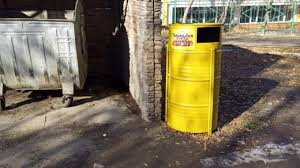
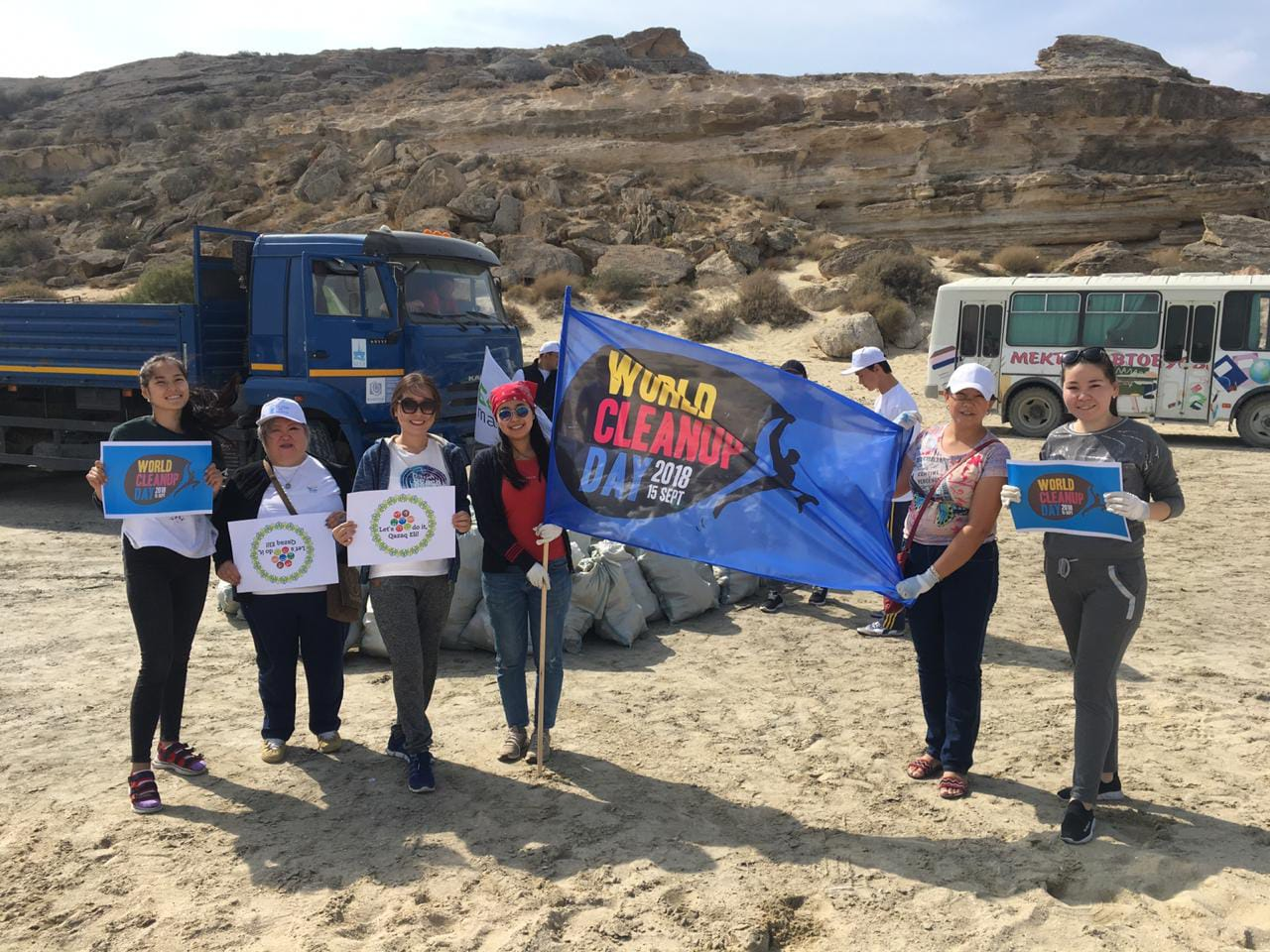
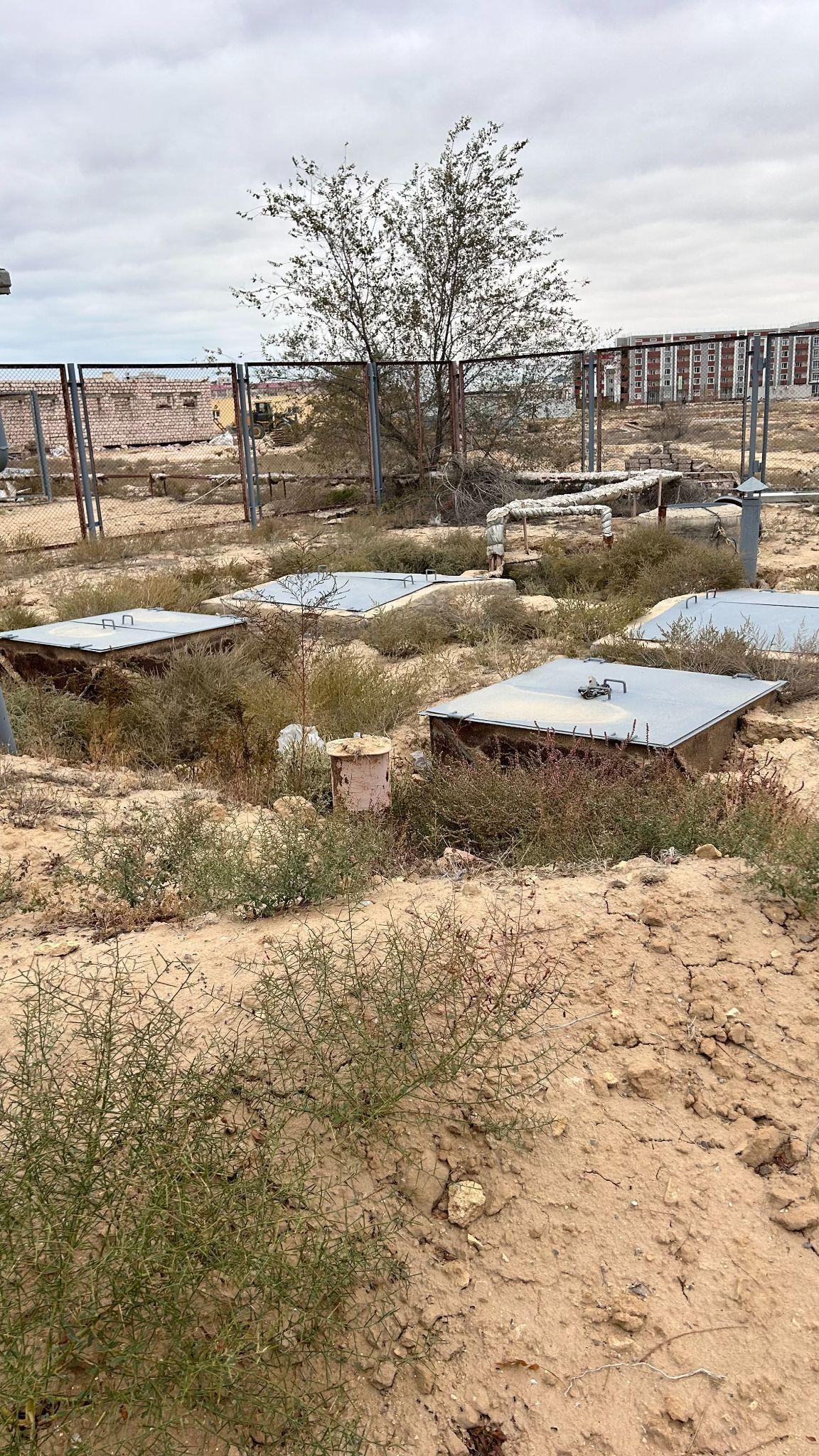
Yessenov University has core principles of sustainable waste management and environmental conservation. Thus, YU encourages its students and staff to use products with minimal packaging. Additionally, it organizes a campaign among its staff and students to organize an action on “Donating or selling items you no longer need” sharing items to prevent them from becoming waste. In order to accomplish it, YU collaborates with Aktau City Department of Employment and Social Programs which has a reception and delivery point for used items, shoes, dishes, bags and children’s toys.
Moreover, Yessenov University uses a recycling company, a local Aktau Eco Waste, which has implemented a Recycling system, allowing students and faculty to easily determine what they can and cannot recycle. This waste program for a university is an excellent way to promote sustainability and reduce the environmental impact of the campus.
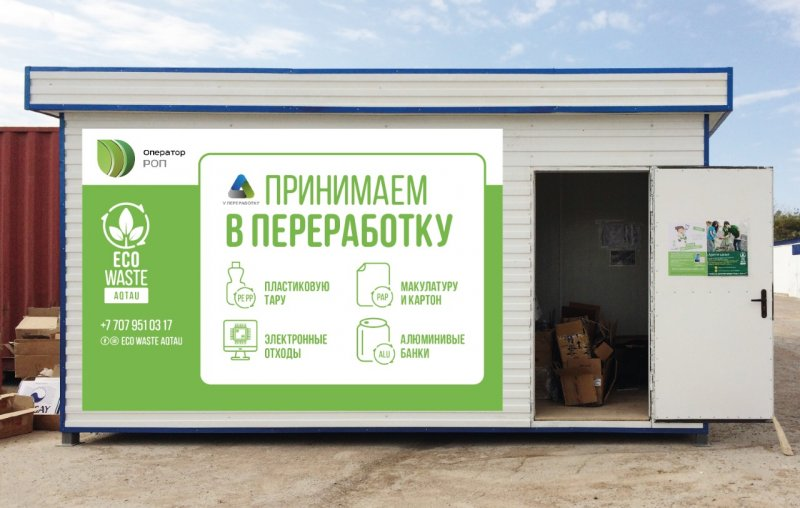
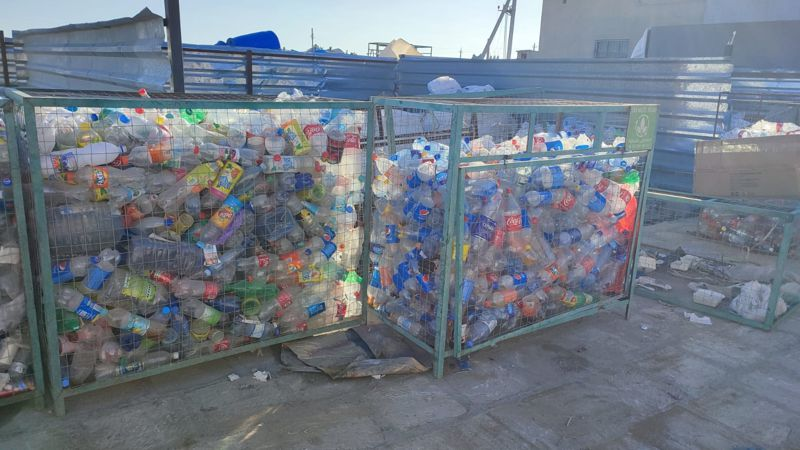
Yessenov University promotes actions in minimizing environmental impact from the use of paper and plastic. Both paper and plastic production have significant environmental consequences, from resource extraction and manufacturing to waste disposal.
Yessenov University has a responsible approach to collecting lab chemicals and electronics. It has a department of chemical waste from the oil industry, so it is a regular process to collect lab chemicals remaining after some certain experiments. YU has a take-away service collaborating with a local waste collector.
Yessenov University treats toxic waste very critically, and it helps protect the environment and human health from toxic waste. Toxic waste from Yessenov University includes hazardous materials like chemicals, heavy metals, radioactive substances, and other pollutants. The University has proper treatment and disposal which are essential. All this waste is transported by a dedicated truck, and personnel wear protective clothing. Yessenov University does not take any responsibility for its recycling or reuse processes.