Вот перевод текста на русский язык с сохранением структуры по абзацам:
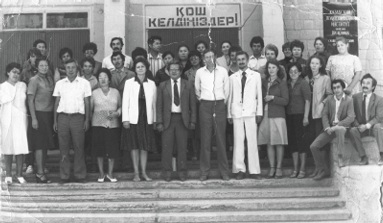
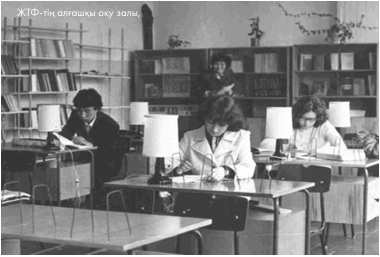
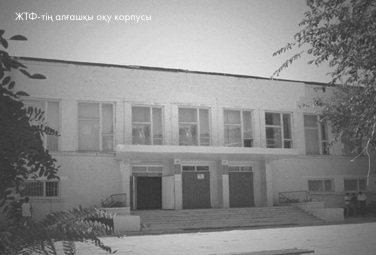
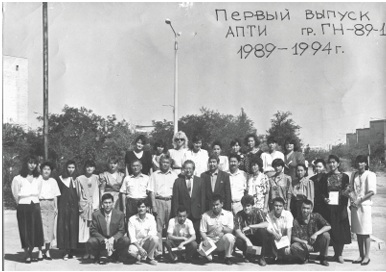
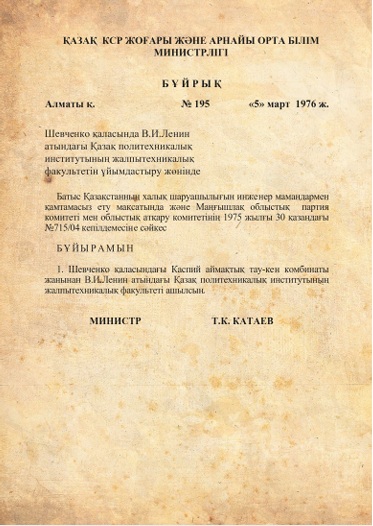
Период становления Yessenov University с 1976 по 2000 год отражает постепенное развитие высшего технического образования в Мангистауском регионе. Этот путь начался в 1976 году с открытия в городе Шевченко (ныне Актау) филиала общетехнического факультета Казахского политехнического института имени В.И. Ленина. Это стало первым шагом на пути к созданию местной академической базы для подготовки инженерных кадров. В последующие годы учебное заведение расширяло свою академическую структуру: в 1978 году было открыто дневное отделение, а к 1981 году вуз окончил первый выпуск специалистов. На протяжении 1980-х и начала 1990-х годов заведение прошло через ряд реорганизаций, укрепляя свой статус и адаптируясь к образовательным и индустриальным потребностям региона.
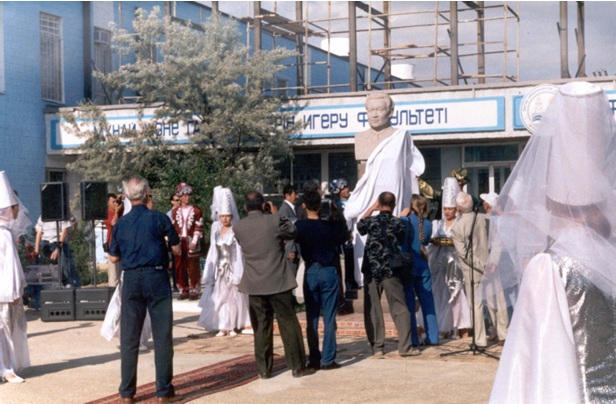
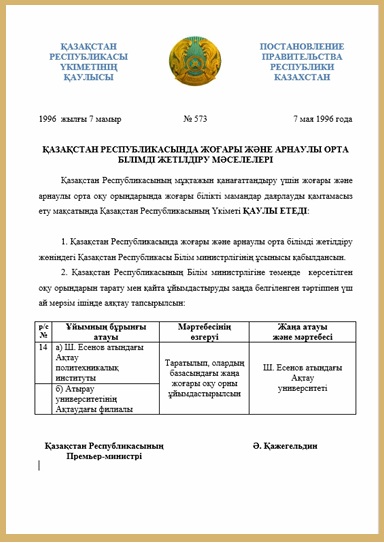
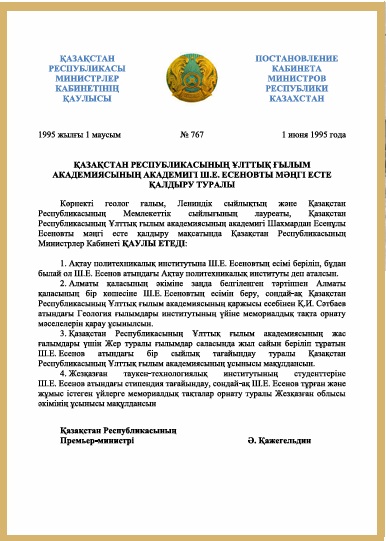
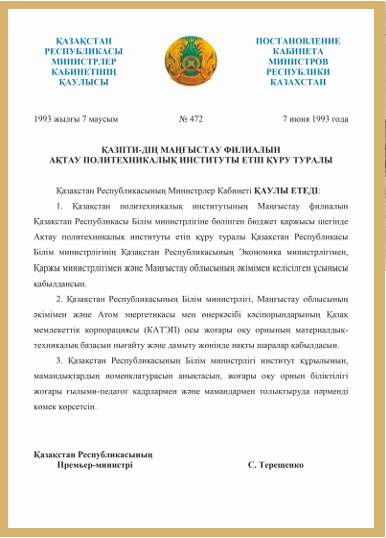
Значительная трансформация произошла в начале 1990-х годов, когда Мангистауский филиал Казахского политехнического института был преобразован в Актауский политехнический институт, что заложило основу для самостоятельного высшего учебного заведения. В 1995 году университету было присвоено имя выдающегося казахстанского геолога и академика Шахмардана Есенова, что символизировало его научную направленность и связь с национальным академическим наследием. В 1996 году в результате институционального объединения и расширения был официально создан Актауский государственный университет имени Ш. Есенова с обновленной инфраструктурой, образовательными программами и растущим институциональным потенциалом.
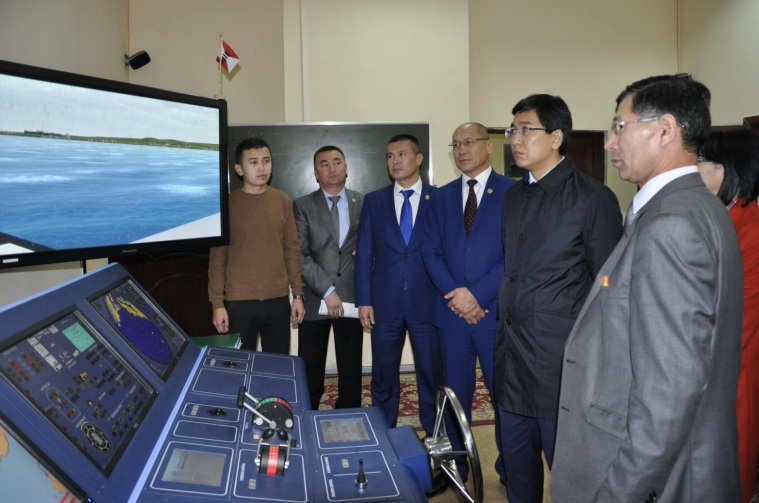
К концу 1990-х годов университет начал диверсифицировать свои образовательные программы в ответ на экономические запросы региона. В 1998 году были открыты новые специальности, включая программы морского направления, что отражало стратегическую важность Каспийского региона. В 2000 году открытие программ магистратуры ознаменовало переход к более продвинутой, научно-ориентированной академической модели. В целом, период 1976–2000 годов заложил прочный институциональный фундамент, превратив небольшой региональный филиал в полноценный университет с четким академическим профилем и траекторией развития.
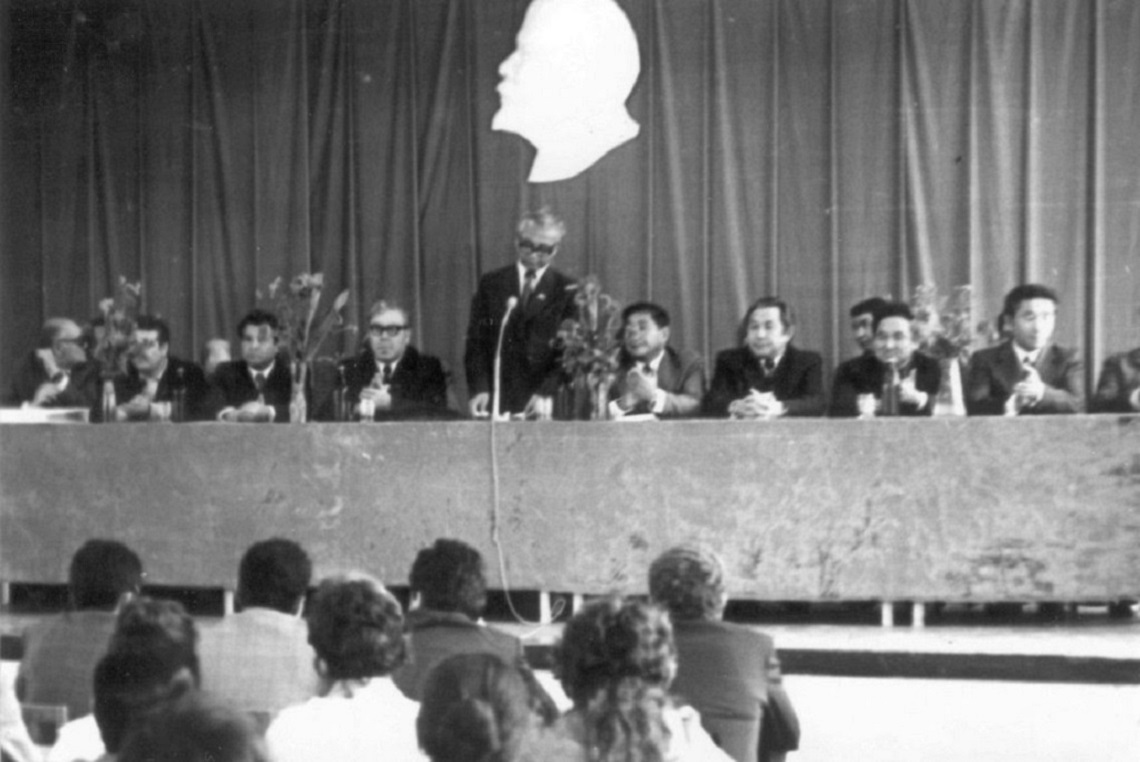
1976 год – Приказом №195 в городе Шевченко (Актау) был создан общетехнический факультет Казахского политехнического института имени В.И. Ленина.
1978 год – Открытие дневного отделения.
1981 год – Первые выпускники получили свои дипломы.
1983 год – Создание Актауского филиала Казахского политехнического института.
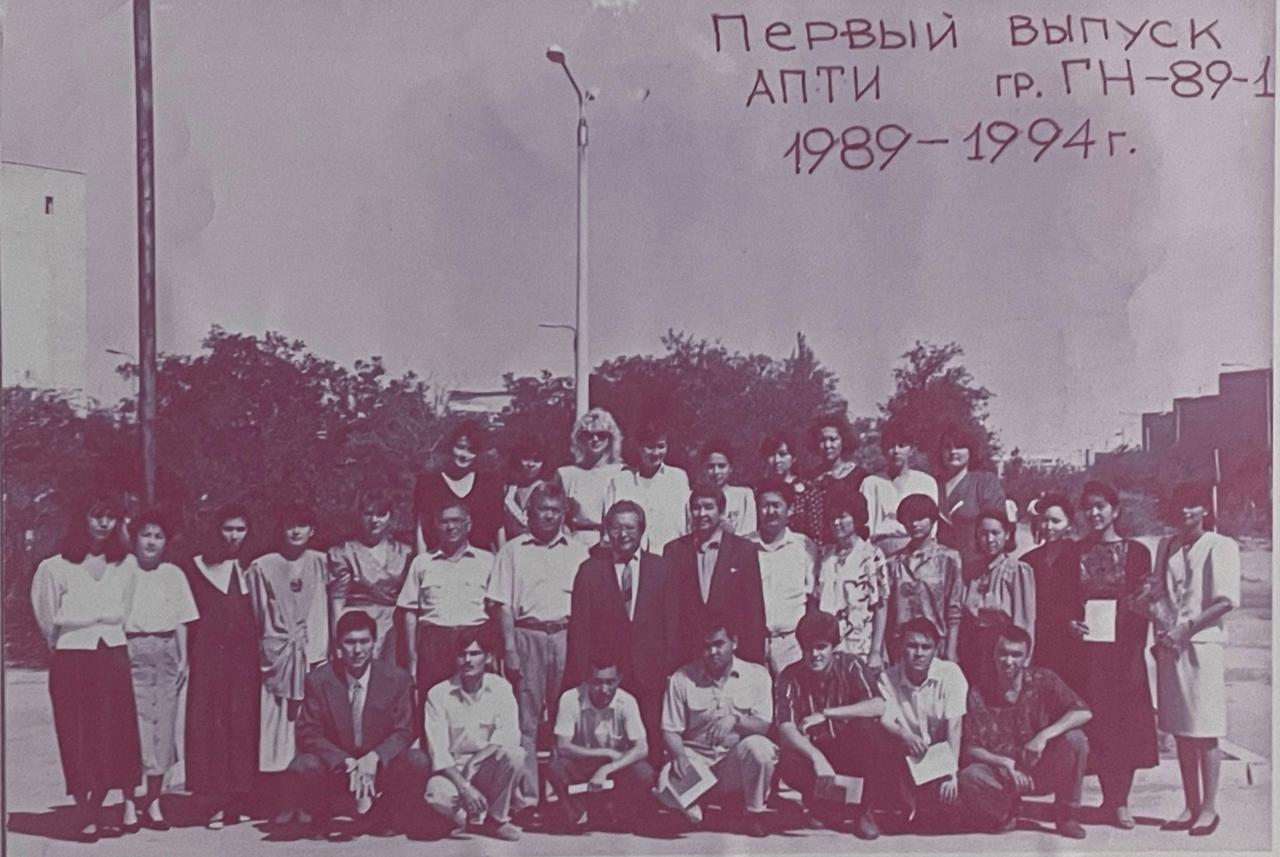
1983 год | Актауский филиал Казахского политехнического института
1990 год | Мангистауский филиал Казахского политехнического института
1993 год | Создание Актауского политехнического института
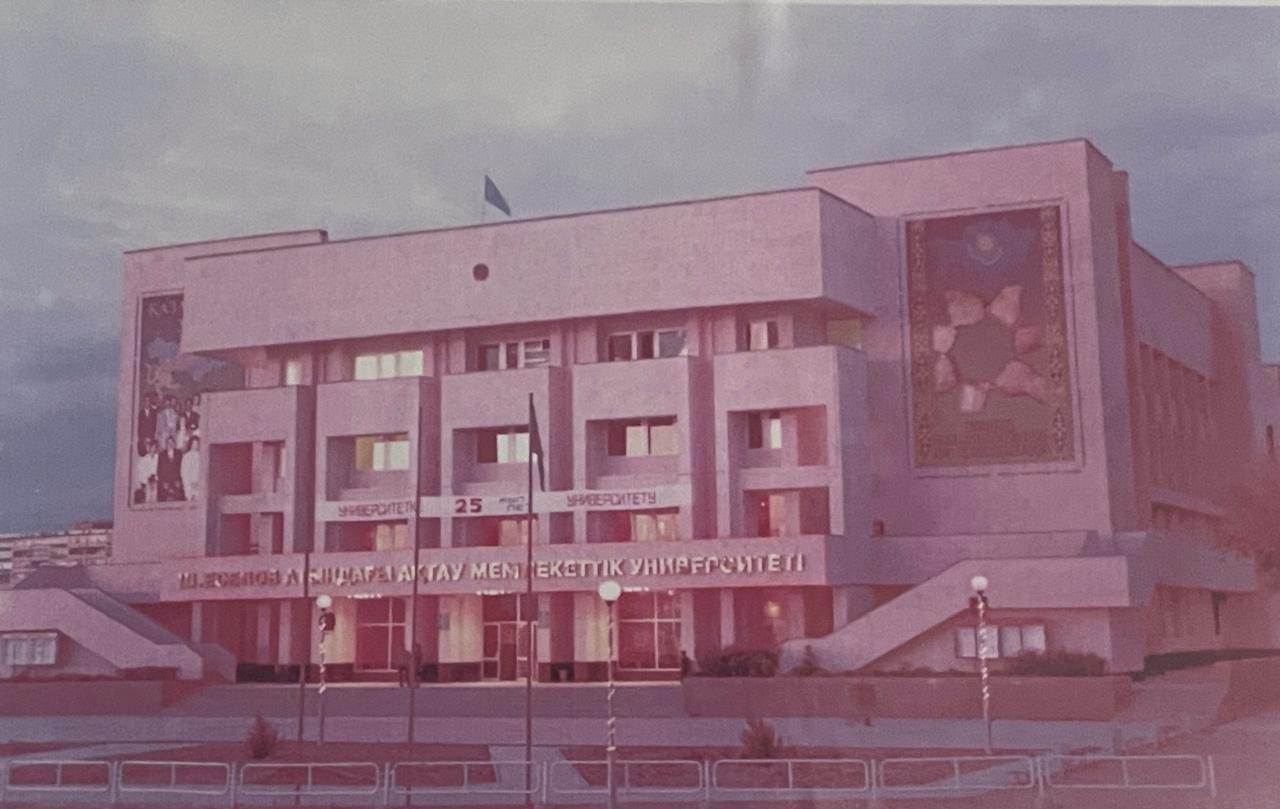
1995 год – Университету присвоено имя академика Шахмардана Есенова.
1996 год – Создание Актауского государственного университета имени Ш. Есенова (Постановление № 573).
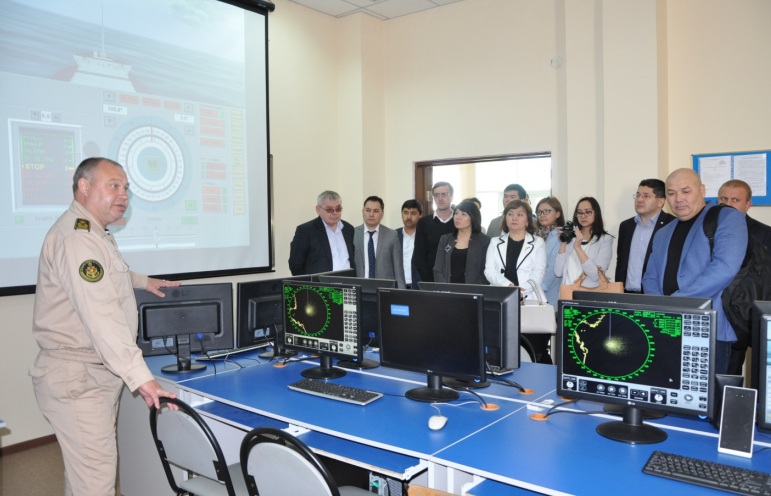
1998 год – Открытие морских специальностей.
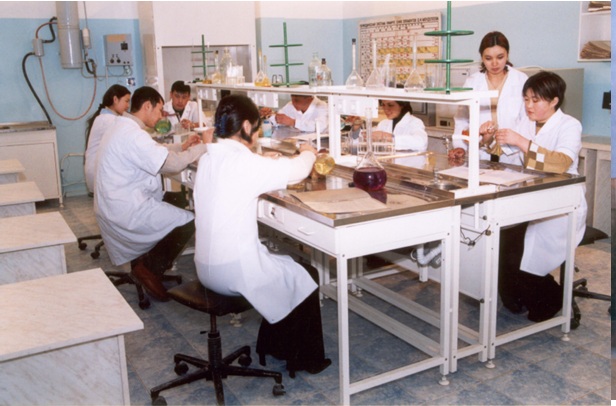
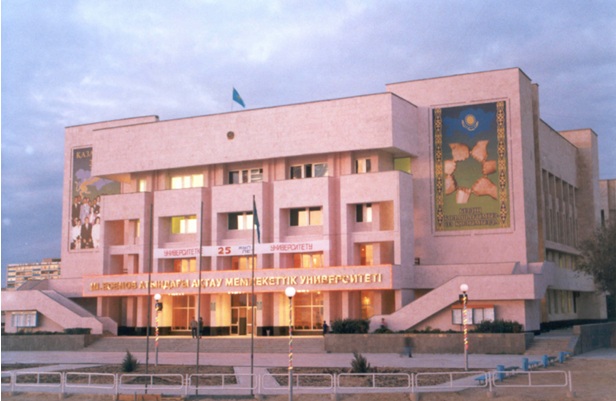
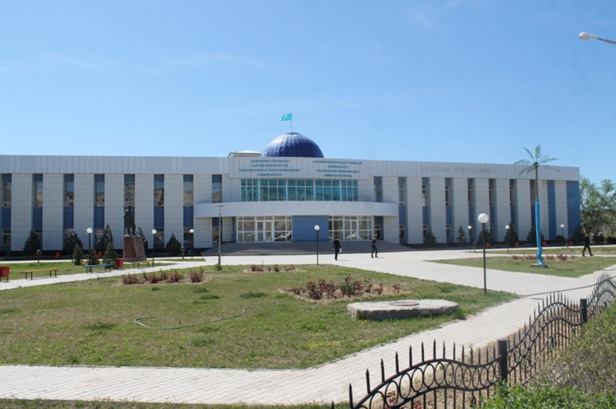
The development stage of Yessenov University between 2001 and 2016 was characterized by institutional expansion, modernization of academic processes, and strengthening of its regional and international presence. During this period, the university enhanced its governance and academic structure under new leadership, while integrating additional educational units, including a college and affiliated branches. The introduction of a credit-based education system marked a significant shift toward international academic standards and improved the flexibility and quality of learning.
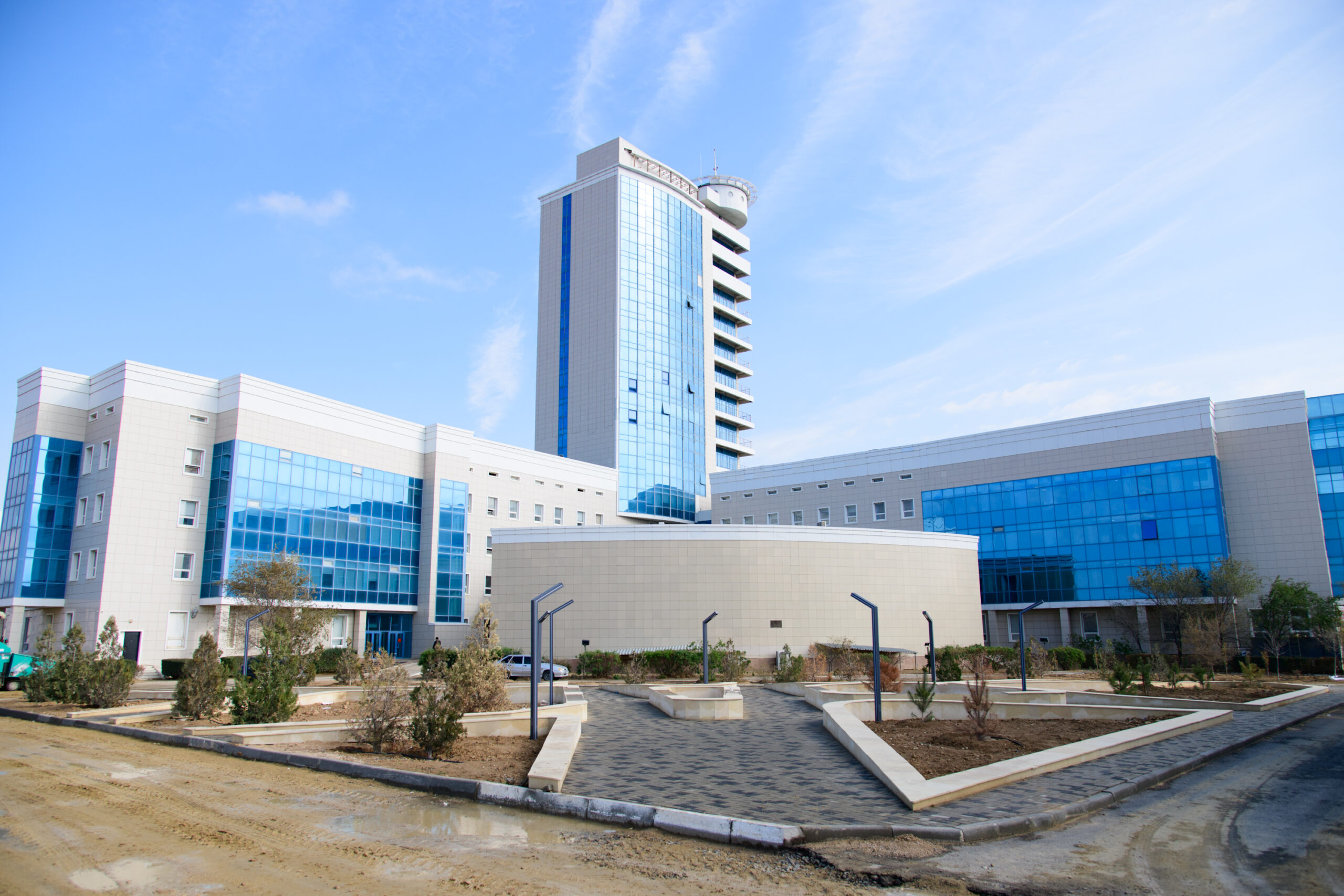
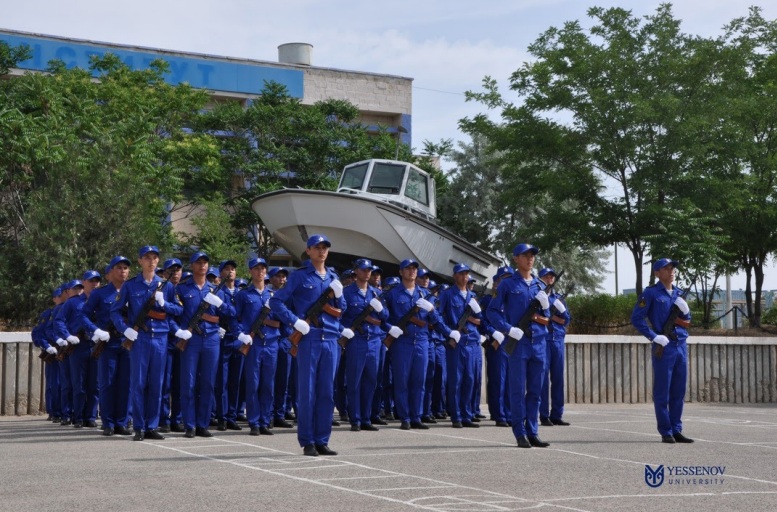
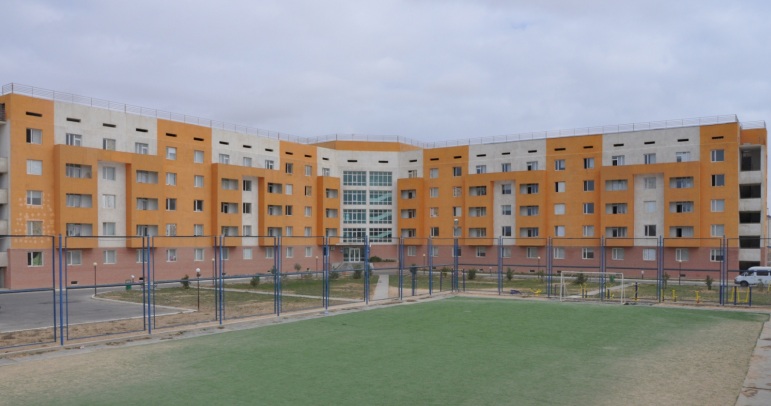
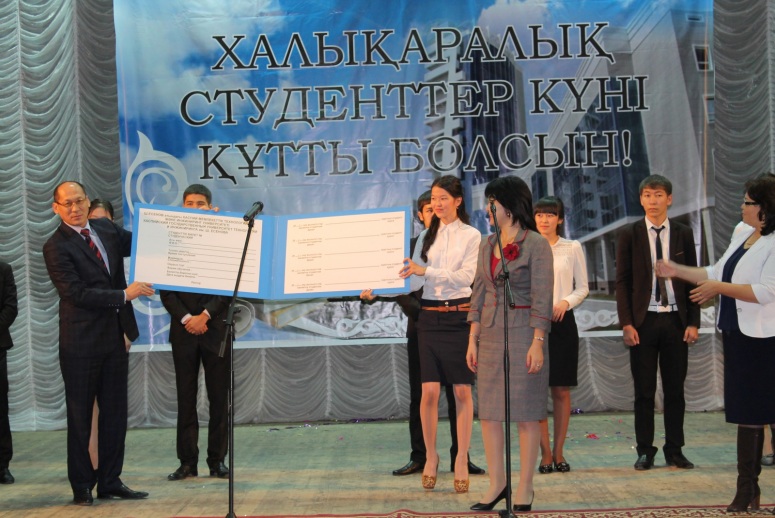
At the same time, the university invested активно in infrastructure and academic resources. The construction of a new campus in Aktau, the opening of modern facilities such as an oil training polygon, military department, and a large sports complex with a swimming pool significantly improved the learning environment. The university also expanded student services, including dormitory capacity, and strengthened its academic community through the launch of scientific publications and participation in national programs such as Bolashak.
By the mid-2010s, Yessenov University had established itself as an important educational and research center in the Caspian region. Its growing reputation was reinforced through international recognition, including accreditation by the German agency ACQUIN and national quality assurance bodies. Overall, the 2001–2016 period transformed the university into a modern, competitive institution with a strong academic foundation and increasing global engagement.
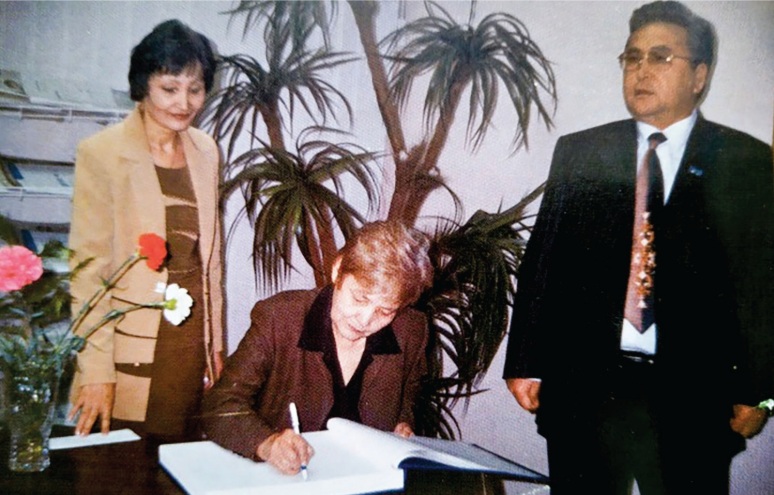
2000 – Launch of Master’s degree programs
2001 – Integration with Kazakh State University branch; launch of scientific journal.
2002 – Establishment of “Zhas Tolkyn” student newspaper.
2003 – Opening of college; introduction of credit-based system.
2005— Renamed as Caspian State University of Technologies and Engineering.
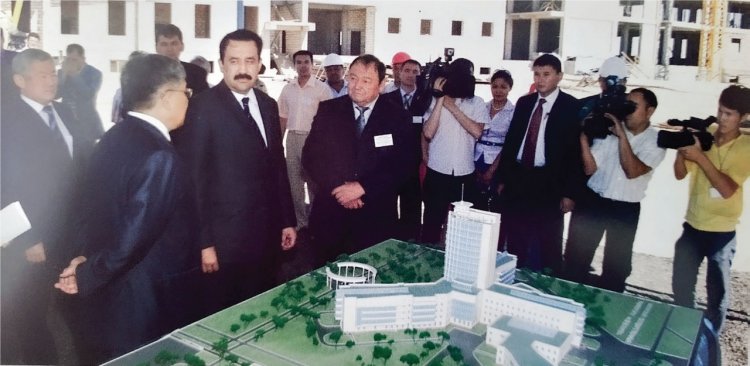
2007:— Planning of the new university campus
2008— Opening of oil training and research ground.
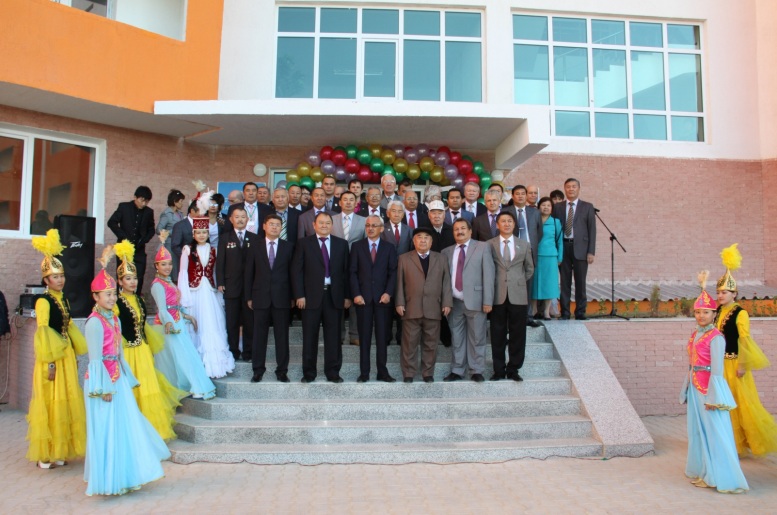
2009— Commissioning of the new campus.
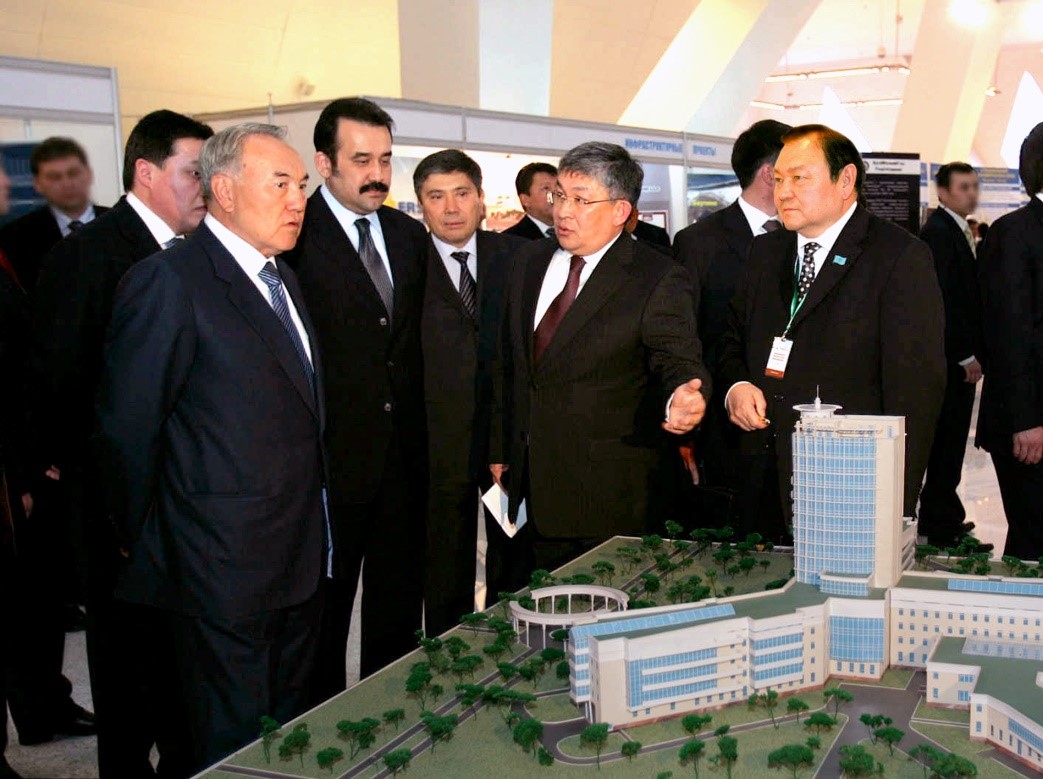
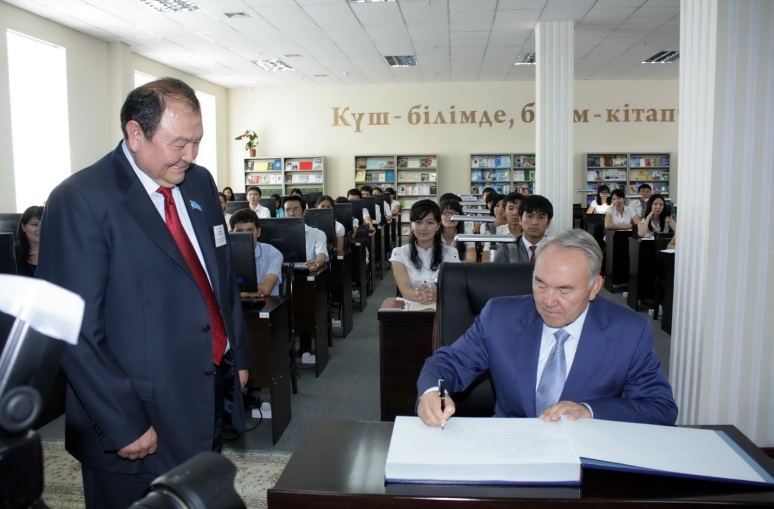
2010 – Visit of the First President Nursultan Nazarbayev.
2011 – Opening of military department; new dormitory
2012 – Opening of sports complex with swimming pool.
2013 – Membership in international organizations.
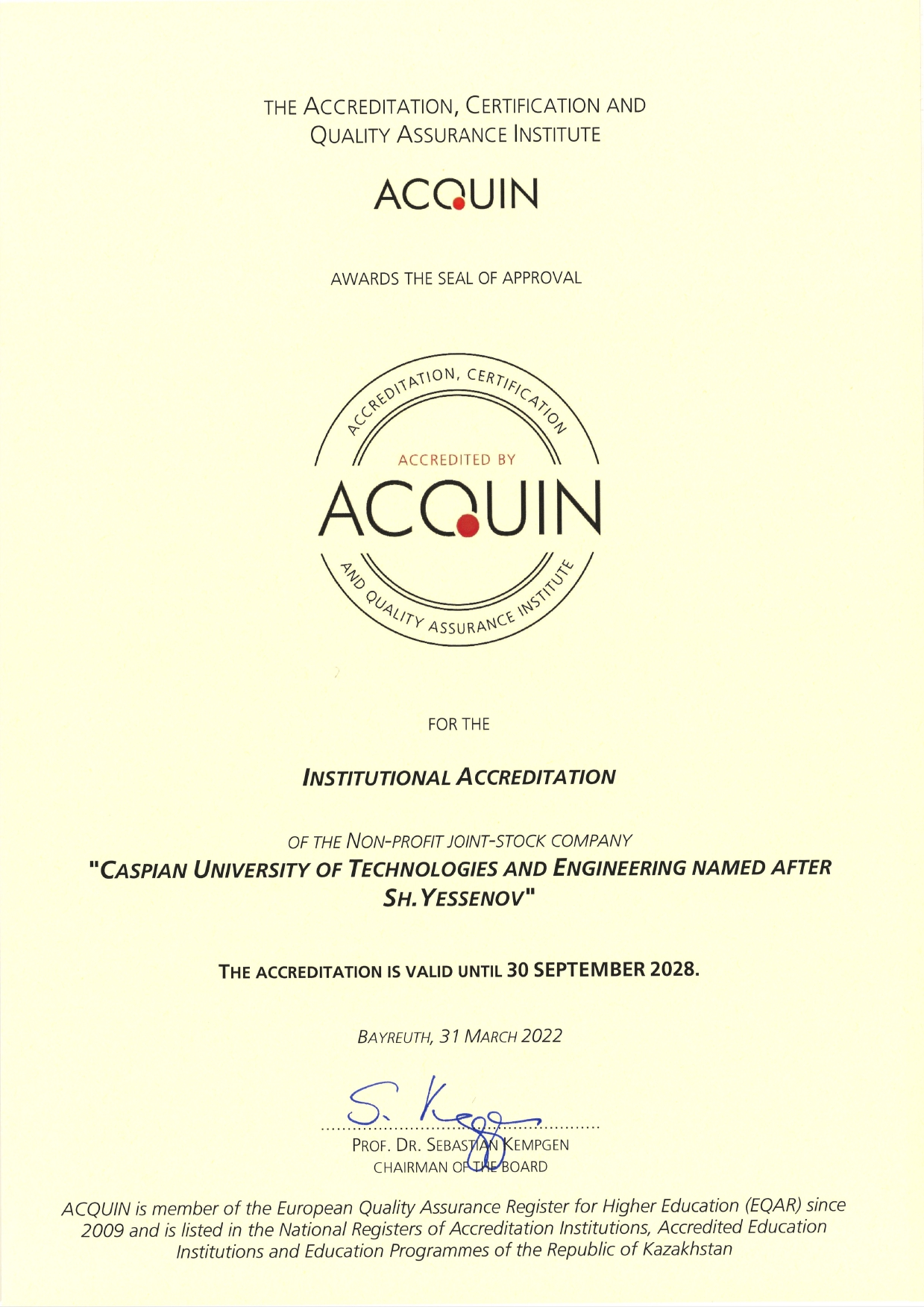
2016— International accreditation (ACQUIN, Germany).
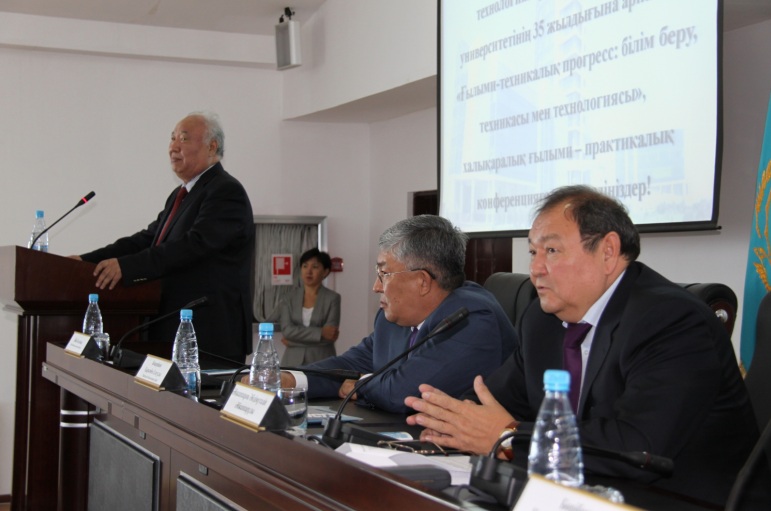
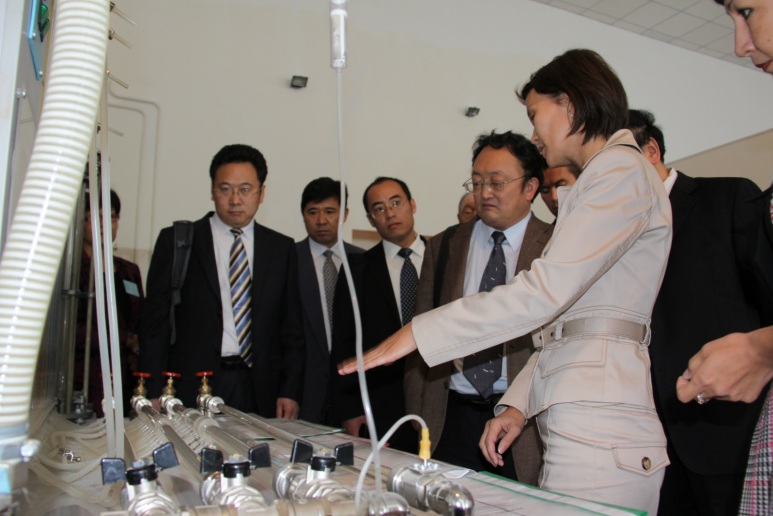
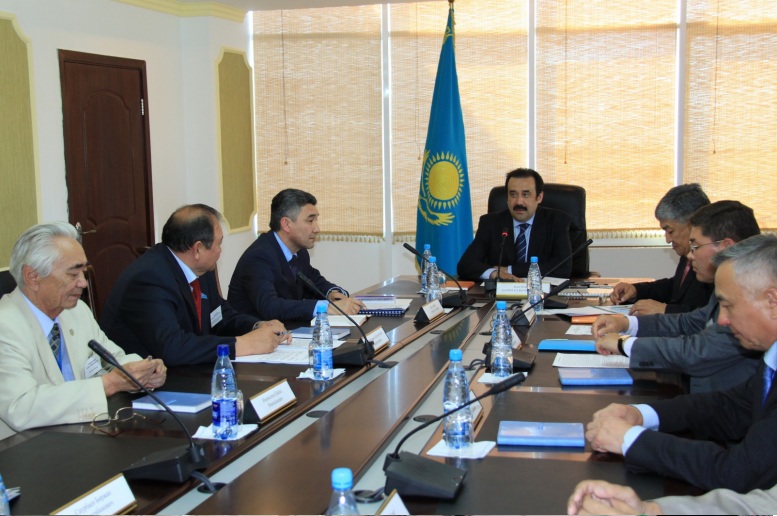
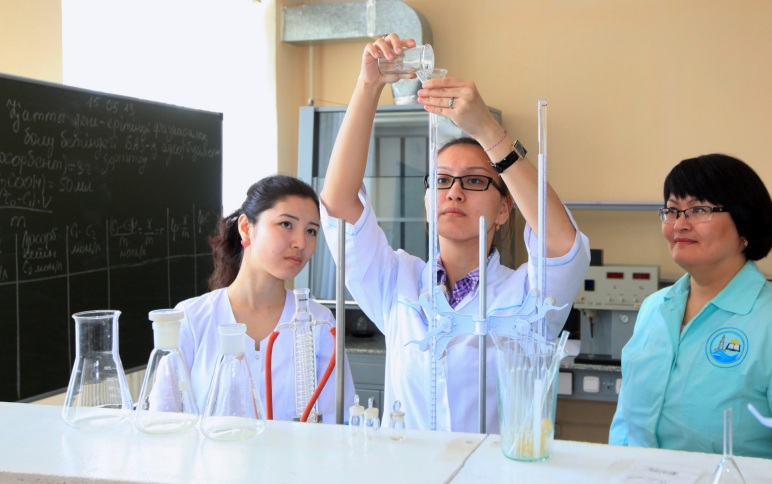
The modernization stage of Yessenov University, beginning in 2017, represents a period of strategic transformation, innovation, and internationalization. The university strengthened its academic profile through the introduction of double degree programs, producing its first graduates under joint international education schemes. At the same time, institutional rebranding was carried out, enhancing the university’s identity and visibility, while new residential facilities such as the “Zerde” complex improved living conditions for faculty and staff. High-level political recognition, including visits by national leaders, further emphasized the university’s growing importance in the region.
A major shift occurred during and after 2020, when the university was reorganized into a non-profit joint-stock company, reflecting modern governance practices. The rapid transition to online learning during the global pandemic demonstrated institutional adaptability and digital readiness. The university continued to strengthen its academic quality through international accreditation, including recognition by the German agency ACQUIN, and introduced new-generation diplomas aligned with global standards.
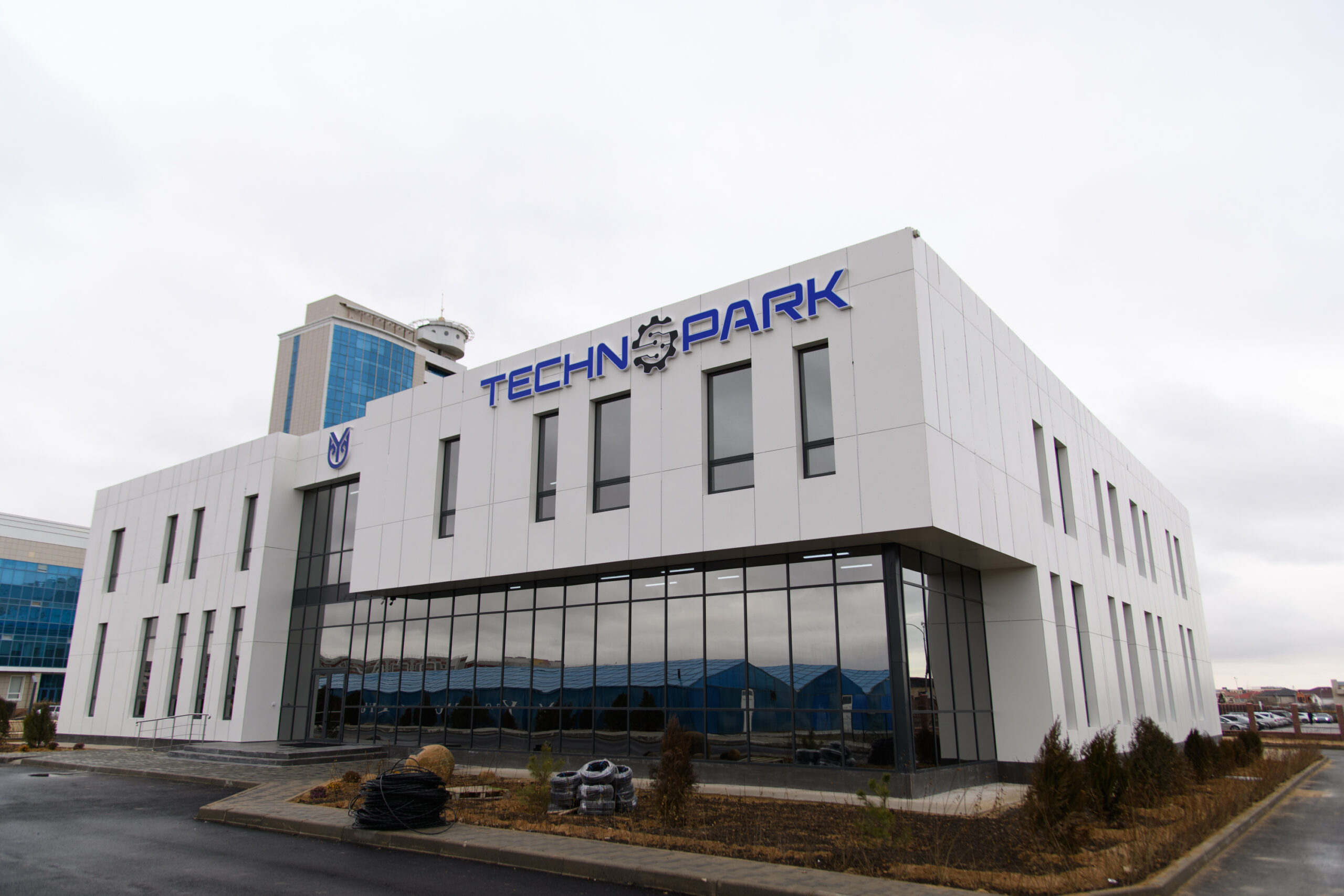
In recent years, Yessenov University has actively expanded its infrastructure and international partnerships. Key developments include the establishment of the Kazakh-German Institute for Sustainable Engineering, the opening of the Huawei ICT Academy, and the launch of foresight-oriented educational initiatives. Large-scale infrastructure projects such as new student dormitories, the Yessenov Technopark, a maritime academy, and a student park reflect a long-term vision of creating a modern academic ecosystem. Overall, the modernization stage highlights the university’s transition into an innovative, globally connected, and future-oriented institution.
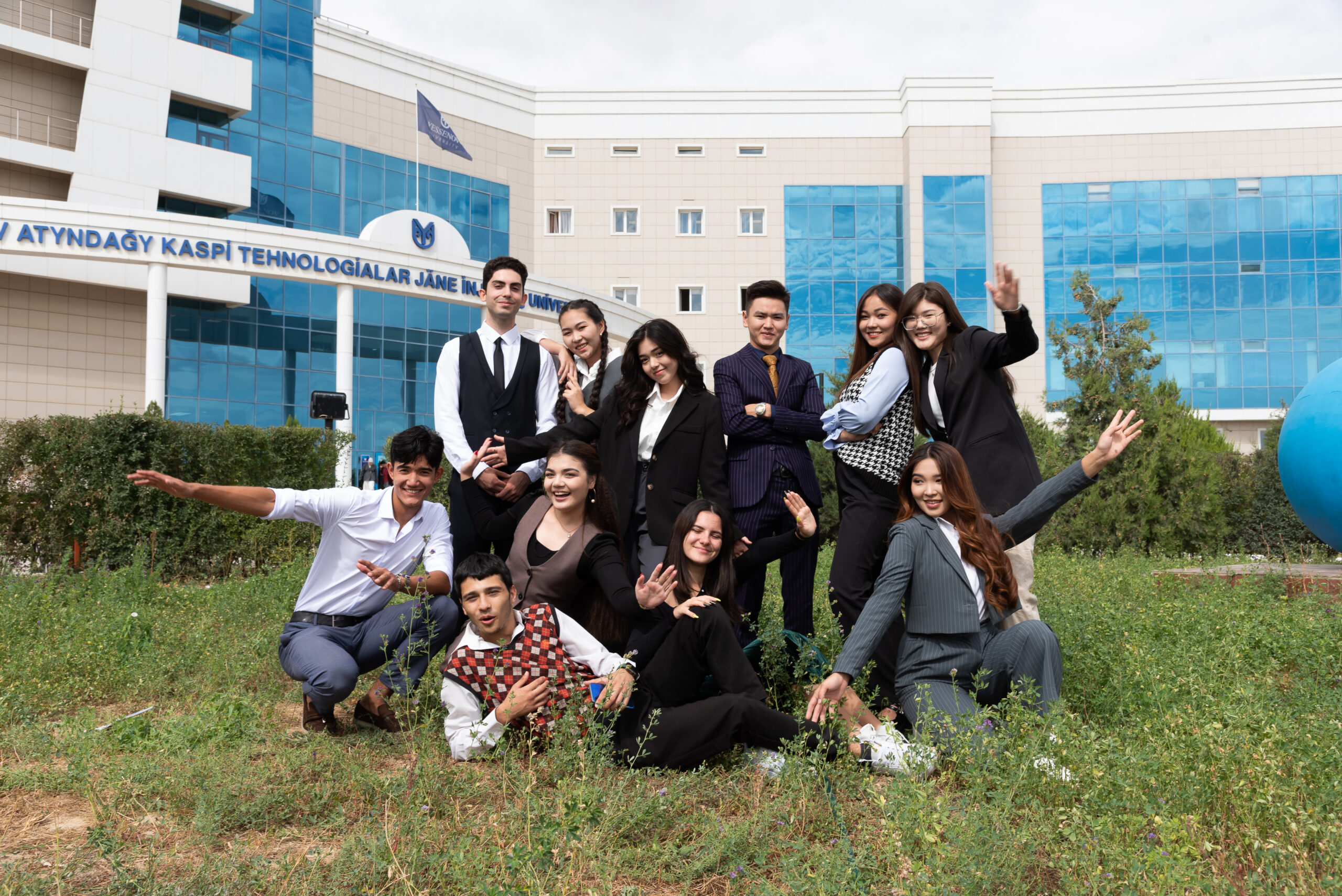
2017 – First graduates of dual-degree programs.
2018 – University rebranding.
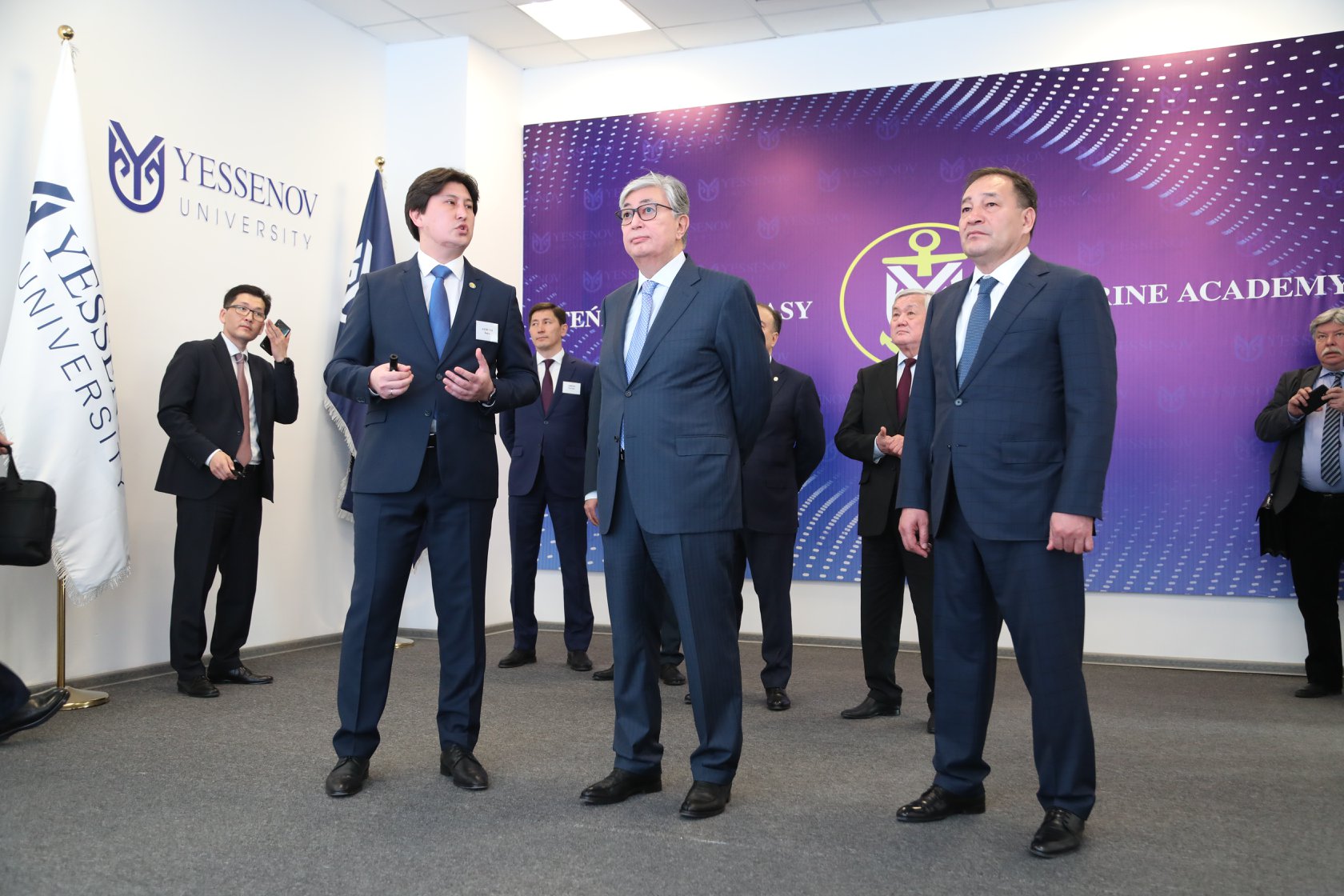
2019— Visit of President Kassym-Jomart Tokayev.
2020— Reorganization into a non-profit joint-stock company.
2021— First graduates received new-format diplomas.
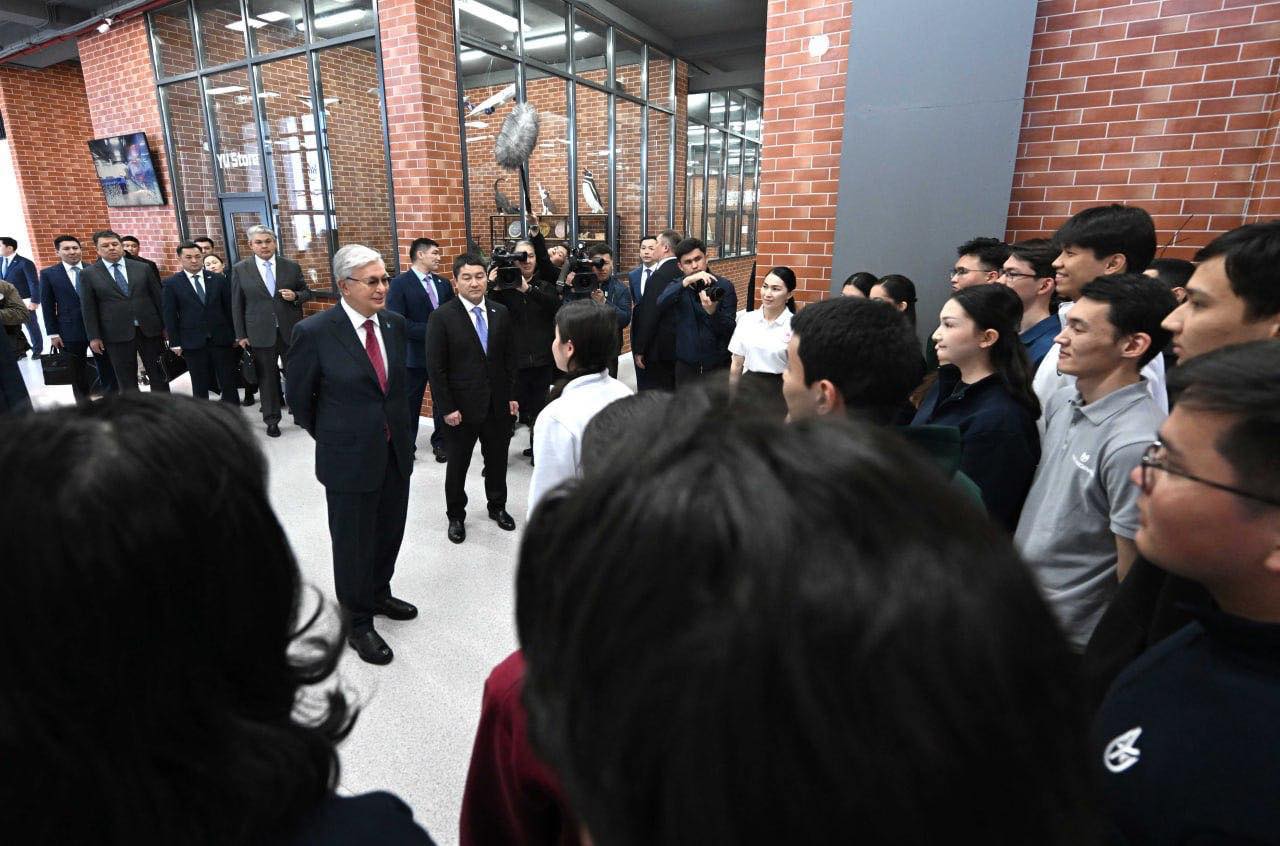
2022 – Opening of Huawei ICT Academy.
2023 – Opening of Kazakh-German Institute for Sustainable Engineering.
2024 – Opening of Technopark, Student Park, and Stadium.
2025 – Visit of President Kassym-Jomart Tokayev to the Technopark.
The modernization stage of Yessenov University, beginning in 2017, represents a period of strategic transformation, innovation, and internationalization. The university strengthened its academic profile through the introduction of double degree programs, producing its first graduates under joint international education schemes. At the same time, institutional rebranding was carried out, enhancing the university’s identity and visibility, while new residential facilities such as the “Zerde” complex improved living conditions for faculty and staff. High-level political recognition, including visits by national leaders, further emphasized the university’s growing importance in the region.
A major shift occurred during and after 2020, when the university was reorganized into a non-profit joint-stock company, reflecting modern governance practices. The rapid transition to online learning during the global pandemic demonstrated institutional adaptability and digital readiness. The university continued to strengthen its academic quality through international accreditation, including recognition by the German agency ACQUIN, and introduced new-generation diplomas aligned with global standards.
In recent years, Yessenov University has actively expanded its infrastructure and international partnerships. Key developments include the establishment of the Kazakh-German Institute for Sustainable Engineering, the opening of the Huawei ICT Academy, and the launch of foresight-oriented educational initiatives. Large-scale infrastructure projects such as new student dormitories, the Yessenov Technopark, a maritime academy, and a student park reflect a long-term vision of creating a modern academic ecosystem. Overall, the modernization stage highlights the university’s transition into an innovative, globally connected, and future-oriented institution.
2017 – First graduates of dual-degree programs.
2018 – University rebranding.
2019— Visit of President Kassym-Jomart Tokayev.
2020— Reorganization into a non-profit joint-stock company.
2021— First graduates received new-format diplomas.
2022 – Opening of Huawei ICT Academy.
2023 – Opening of Kazakh-German Institute for Sustainable Engineering.
2024 – Opening of Technopark, Student Park, and Stadium.
2025 – Visit of President Kassym-Jomart Tokayev to the Technopark.