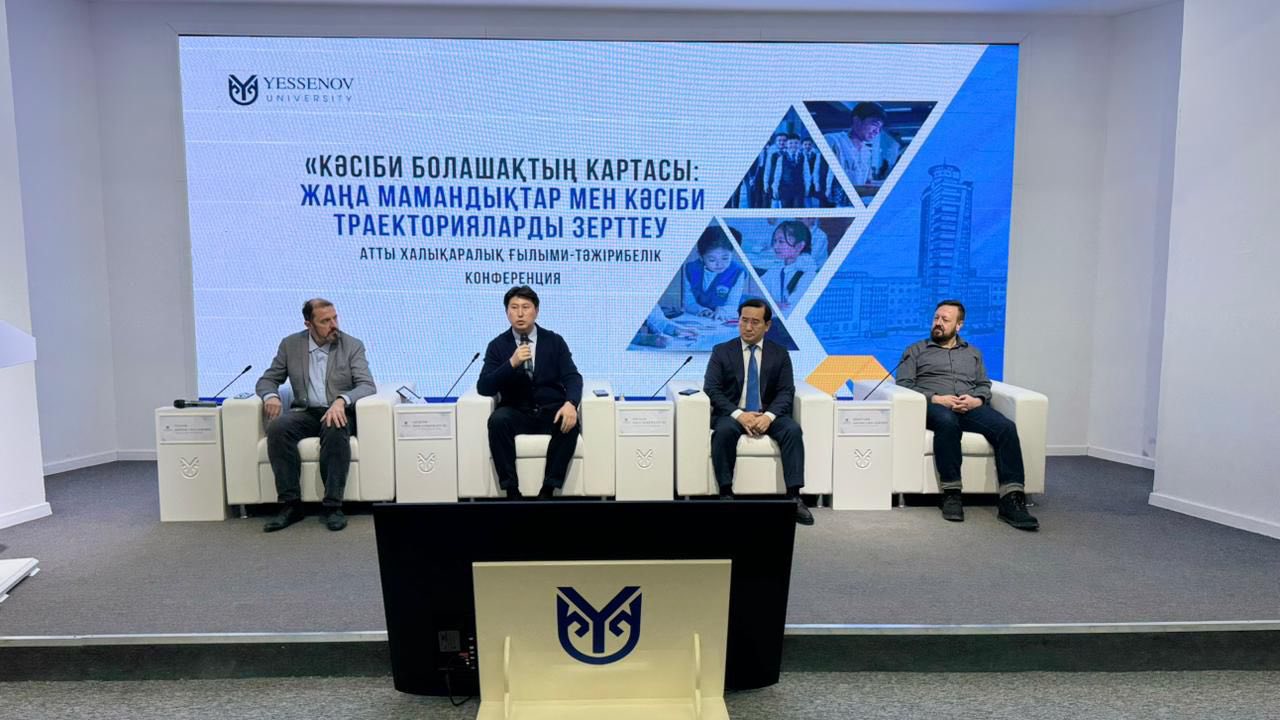
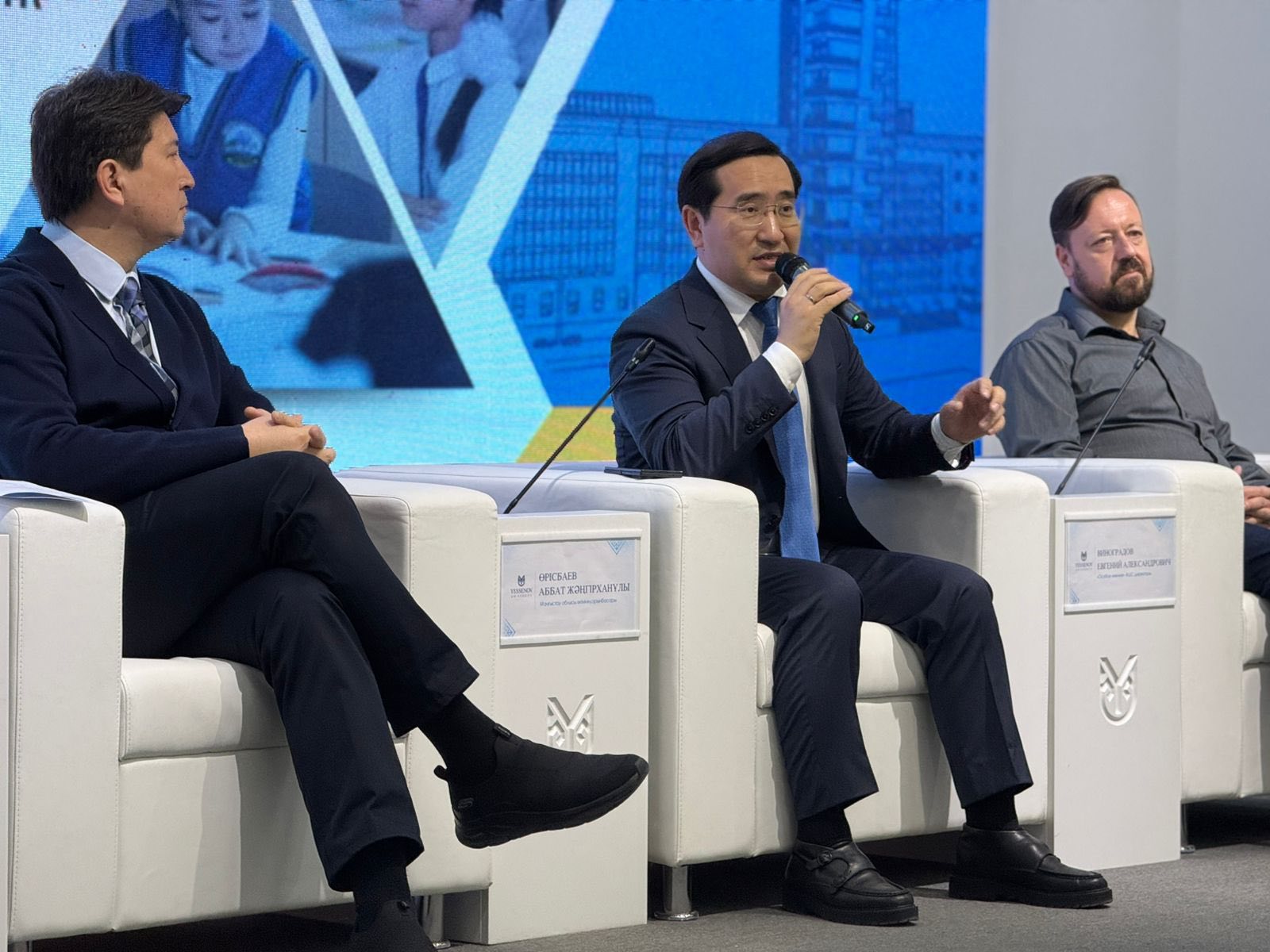
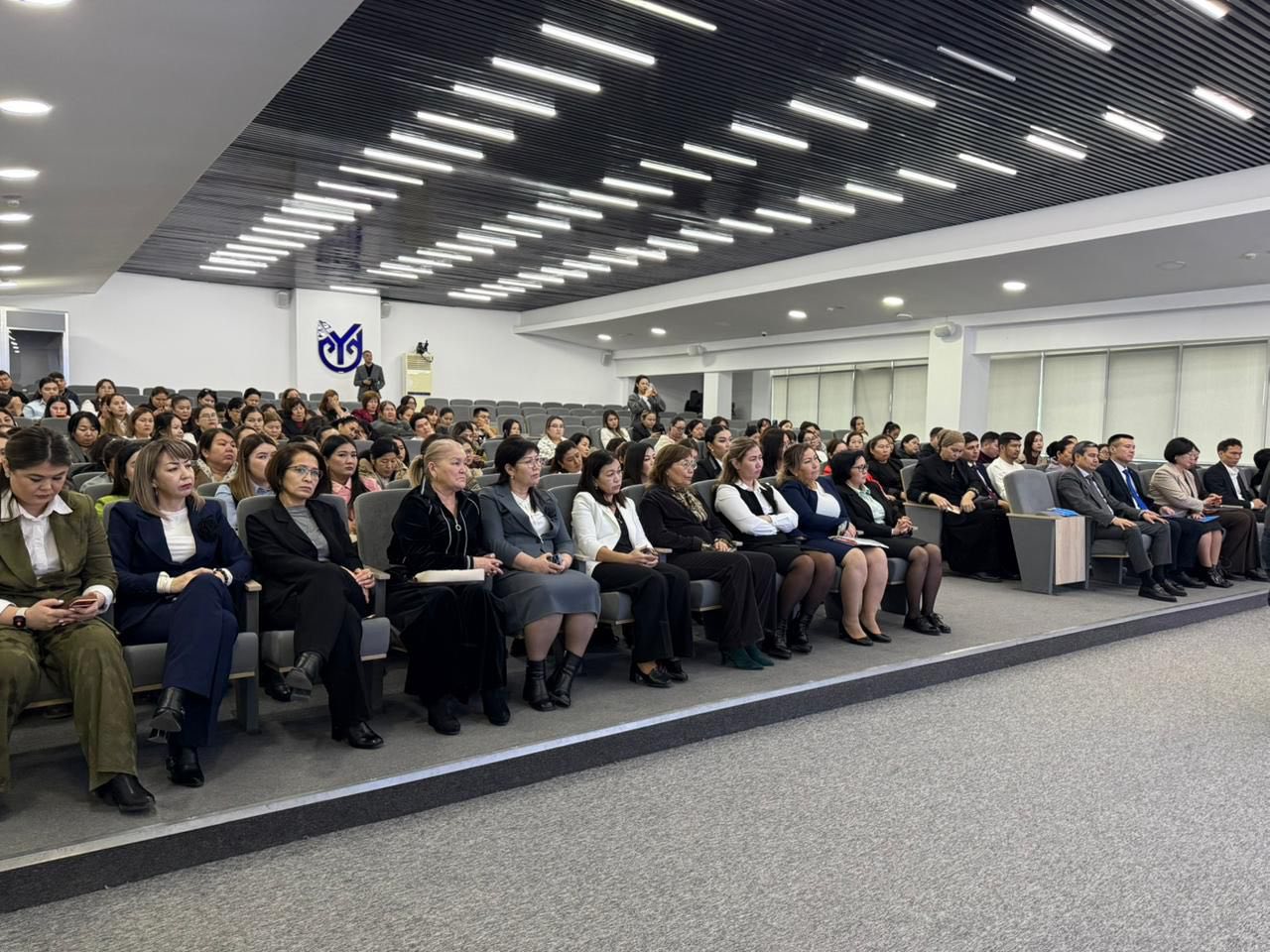
On December 12, Yessenov University hosted the international conference “Mapping the Professional Future: Exploring New Occupations and Career Trajectories,” where the key outcomes of a major national project implemented over the past three years were presented. The project was designed to help Kazakhstan better understand how the labour market is changing under the influence of technological transformation, sectoral restructuring, and regional development priorities. Its main objectives included conducting comprehensive regional analysis, carrying out foresight studies, developing Atlases of Emerging Occupations, preparing recommendations for updating the national register of occupations and educational programmes, and undertaking career guidance research among school students.
Between 2023 and 2025, a large-scale initiative was carried out to develop Atlases of New Occupations for six regions of Kazakhstan. During this period, Yessenov University led a consortium responsible for producing atlases of new occupations and competencies for the Atyrau, Kostanay, Almaty, Turkistan, Ulytau, and Mangystau regions. In practical terms, this was not simply an analytical exercise, but a scientifically grounded effort to design regional workforce policy based on future economic needs, sectoral trends, and the changing structure of employment.
The project produced substantial results. It identified 242 new occupations, 114 occupations undergoing transformation, and 102 occupations with declining demand. The first atlas alone described 39 new professional roles across three priority sectors. Based on these findings, the university has already developed a plan to introduce 30 new occupations into its academic portfolio. This demonstrates how foresight-based labour market analysis can directly inform curriculum development and institutional planning in higher education.
In addition, the atlases provided the basis for a consolidated list of 187 new occupations across key sectors of the economy. These include 16 occupations in mechanical engineering, 15 in the oil and gas and petrochemical industries, 36 in agriculture, 27 in construction, and 34 in transport and logistics, as well as new professional roles in education, tourism, and energy. The foresight studies and expert sessions made it possible to anticipate labour market shifts in advance, while projections indicating demand for approximately 40,000 specialists by 2026 clearly underscored the need to modernize vocational and higher education in line with the future economy.
An especially important part of the project was its focus on career guidance for school students. Through the Steppe Navigator platform, the interests and career orientations of more than 83,000 students aged 13–17 were analyzed. The results showed that 70% of respondents plan to enter university, while 13.5% intend to continue their education in college-level institutions. For an English-speaking audience, these findings are significant because they reveal both the strong educational aspirations of young people in Kazakhstan and the growing importance of aligning educational pathways with future labour market realities rather than with outdated occupational models.
For Yessenov University, this project was not treated as a one-time research exercise limited to a formal reporting period. Instead, it has evolved into a long-term post-foresight strategy, in which the results of the atlases are being systematically integrated into the university’s educational process. Based on the first atlas, academic programmes and learning pathways corresponding to 17 new occupations have already been updated, and 1,163 students are currently enrolled in these fields. At the next stage, the university plans to add around 30 more new occupations to its educational map, further strengthening the connection between regional labour market needs and academic provision.
Drawing on both the regional atlases and the career guidance data, the project also enabled the development of an advanced workforce preparation model built around the logic of “regional analytics → individual educational trajectory → institutional decisions by universities and colleges.” This model is important because it links macro-level economic analysis with individual student choice and institutional reform. In other words, it creates a coherent system in which labour market forecasting, educational planning, and career navigation reinforce one another.
The project brought together researchers, experts, representatives of government institutions and business, as well as schools and colleges across all six regions. The outcomes of this large-scale collaborative effort have laid a strong foundation for helping young people in Kazakhstan make more informed decisions about their professional futures, while also enabling the regions to prepare a new generation of specialists capable of supporting long-term and sustainable development.